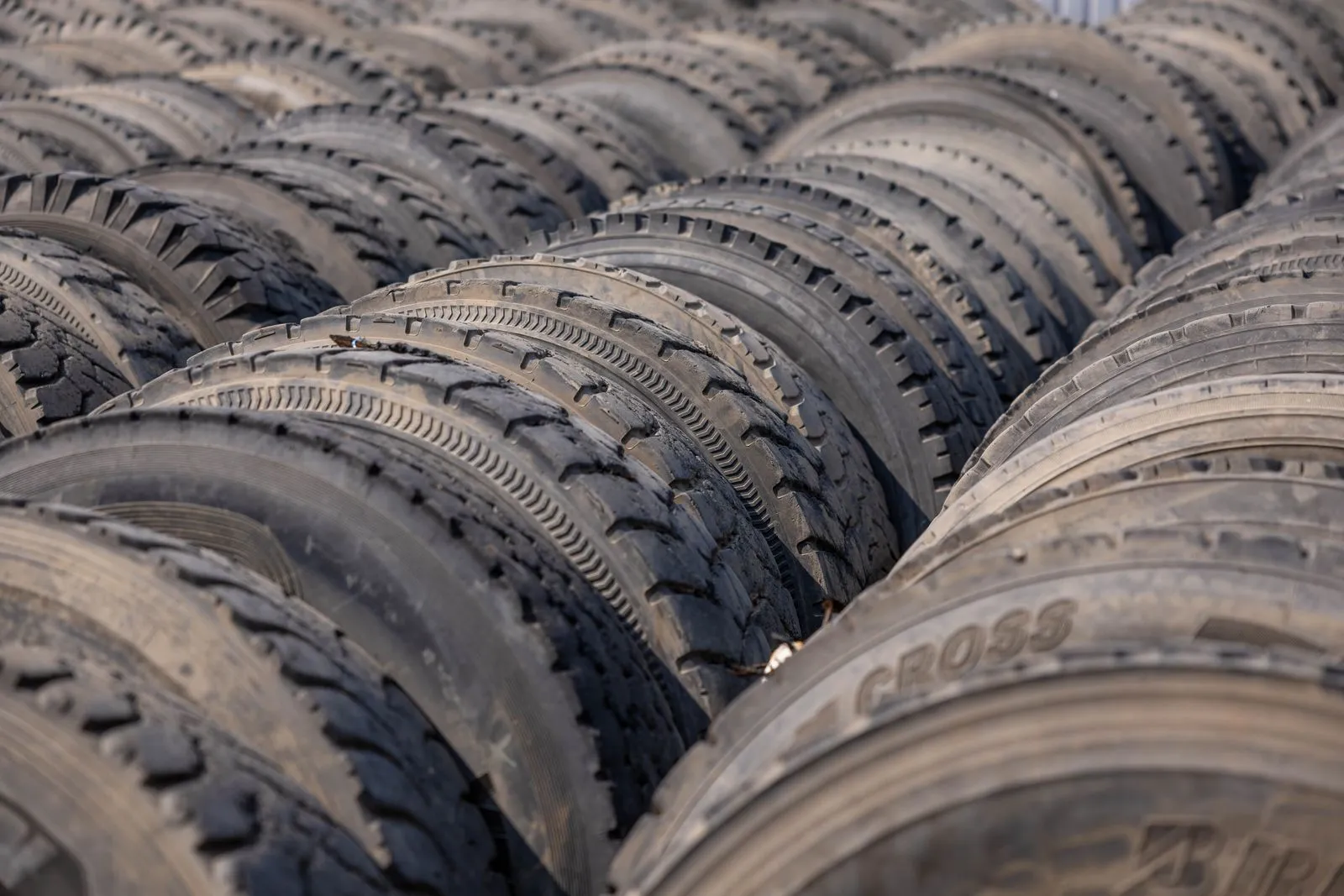
Tires can wear gradually, so it’s easy to miss the point when they no longer provide dependable grip. A few simple checks can help you notice worn tread, damage, or changes in how your vehicle drives before scheduling tire service. Phoenix heat and frequent driving on hot pavement make regular inspections especially worthwhile. Check all four tires in good light, and remember that a visual check cannot confirm every internal problem. If something looks or feels unusual, have a tire professional inspect it.
Check tread depth and wear
Look across each tire’s tread, the grooved surface that contacts the road. If the tread is nearly level with the built-in wear bars—small raised sections inside the grooves—the tire is close to replacement. You can also use a tread-depth gauge for a more precise check. Inspect several spots around each tire because wear may differ from one area to another.
Uneven tread wear can point to a problem beyond age or mileage. Wear concentrated on one edge may be associated with alignment or inflation issues, while cupping or patches of faster wear deserve attention too. Check your vehicle manual or the tire maker’s guidance for inspection and replacement recommendations. A tire shop can assess the wear pattern and help determine whether replacement or another repair is appropriate.
Inspect sidewalls and tread
Walk around the vehicle and look for cuts, cracks, bulges, or objects embedded in the tread. A bulge can indicate damage beneath the tire’s surface, while deep cuts or exposed cords call for prompt professional attention. Don’t pull out a nail or screw before getting advice; removing it may allow air to escape quickly.
Phoenix sun and hot pavement can contribute to visible rubber aging. Fine cracks on the sidewalls or between tread blocks may signal that the rubber is deteriorating. Check the inner sidewalls too if you can do so safely, but don’t crawl under a vehicle supported only by a jack. If you find a bulge, exposed cord, or serious crack, avoid driving on that tire and arrange professional help.
Notice changes while driving
Pay attention to a new vibration, thumping, pulling to one side, or a change in steering response. These symptoms can have several causes, including tire wear, damage, pressure problems, or issues elsewhere on the vehicle. They do not prove that a tire must be replaced, but they are a reason to stop and inspect the tires safely or arrange an evaluation.
Check tire pressure when the tires are cold, using the pressure listed on the driver-side door label or in the owner’s manual. Don’t rely on the number molded into the tire sidewall as the vehicle’s recommended pressure. If a tire repeatedly loses air, have it checked even if it looks normal. A dashboard pressure warning also deserves attention; follow your vehicle manual and avoid continuing a trip on a visibly low or damaged tire.
Use age as one factor
Tires can age even when their tread looks usable, so include their age in your checks. Find the date code on the tire sidewall; the final four digits indicate the week and year it was made. For example, a code ending in 2322 means the tire was produced in the 23rd week of 2022. If the code is hard to locate or read, ask a tire professional to help identify it.
There isn’t one replacement age that fits every tire and vehicle. Follow the tire manufacturer’s guidance and your vehicle manual, and have older tires inspected regularly. Bring together what you notice—tread wear, cracks, air loss, handling changes, and the tire’s age—when you request an inspection. That gives the technician useful details and helps you make a clear, informed decision.
Check your tires regularly for worn tread, damage, pressure loss, and changes in handling. If you spot a serious defect or are unsure what you’re seeing, limit driving and arrange an inspection. Desert Road Tire can help Phoenix drivers assess tire condition and discuss suitable next steps.